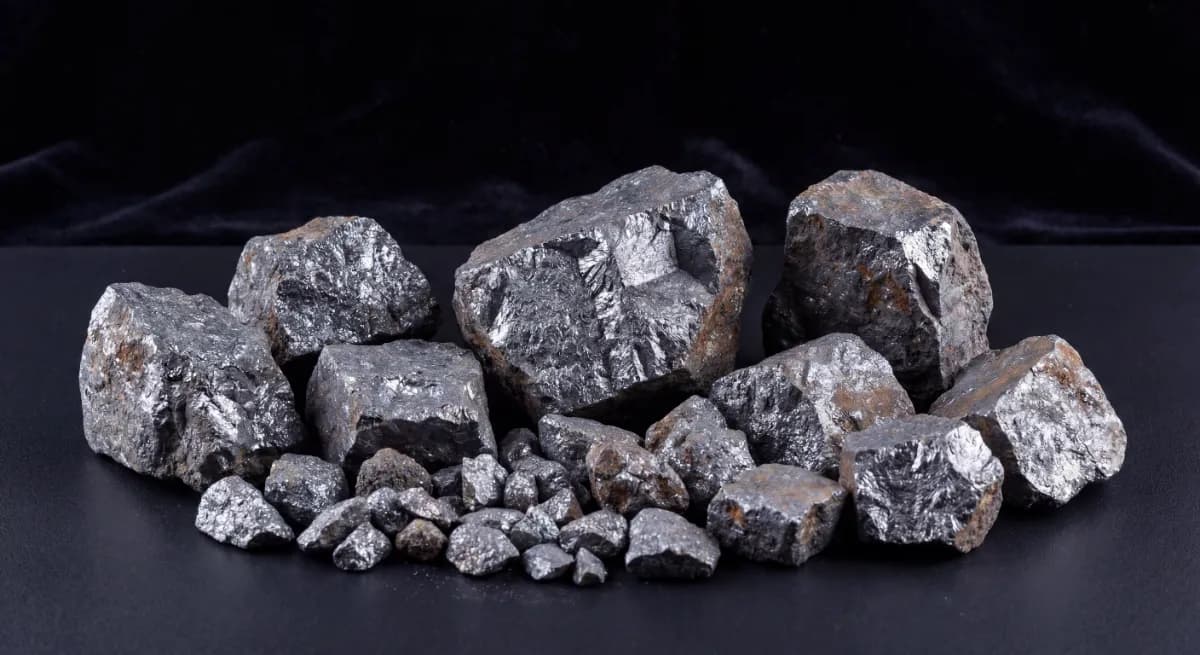
Understanding Ferro Silicon Grades and Applications
Ferro silicon is one of the most widely used ferro alloys in the steel and foundry industries. Its versatility stems from the range of grades available, each tailored to specific applications and production requirements. This guide provides an overview of the main ferro silicon grades and how they are used across different industrial sectors.
What is Ferro Silicon?
Ferro silicon is an alloy of iron and silicon, produced by reducing quartz (silica) with coke in the presence of iron in an electric arc furnace. The silicon content typically ranges from 15% to 90%, with the most common commercial grades being FeSi 75% and FeSi 65%.
Common Grades
The standard grade, FeSi 75%, contains approximately 72-78% silicon and is the workhorse of the industry. It is primarily used as a deoxidizer in steelmaking, removing unwanted oxygen from molten steel to improve its quality and mechanical properties. This grade is supplied in lump form (10-60mm) and is sourced from major producing countries including China, Brazil, and Norway.
Lower silicon grades (45-65%) are often preferred in foundry applications, where they serve as an inoculant to promote the formation of graphite in cast iron. Higher purity grades (above 90% Si) are used in the chemical industry and for producing specialty silicones.
Applications in Steelmaking
In steelmaking, ferro silicon serves multiple functions. As a deoxidizer, it reacts with dissolved oxygen in molten steel to form silica, which floats to the surface as slag. As an alloying element, silicon increases the strength and hardness of steel and improves its resistance to oxidation at high temperatures. Electrical steels used in transformers and motors contain 2-4% silicon to reduce energy losses.
Quality Considerations
When sourcing ferro silicon, buyers should pay close attention to the aluminium and carbon content, as these impurities can affect steel quality. Particle size distribution is also critical, as it influences the dissolution rate in molten metal. Reputable suppliers provide detailed Certificates of Analysis for each shipment, ensuring that the material meets the required specifications.
Conclusion
Selecting the right ferro silicon grade is essential for achieving optimal results in steel production and foundry operations. Working with an experienced trading partner who understands the technical requirements of different applications can help ensure consistent quality and reliable supply.